Blog
Insights, guides and thoughts on web development, AI, and digital strategy.

Hiring for AI Features: 7 Red Flags and 8 Deliverables to Require
Buying AI features? Watch for 7 common red flags (no metrics, no evaluation, vague privacy, no fallbacks, ignored cost/latency) and require 8 concrete deliverables-from KPIs and evaluation reports to guardrails, data-flow diagrams, and production readiness-so your AI ships reliably.

SEO for the era of AI agents: what to require in any website build
SEO in 2026 is about clarity for both search engines and AI agents. This practical checklist covers metadata ownership, schema, canonicals, site structure, performance, accessibility, scalable CMS models, tracking, and post-launch handover-so your next build is discoverable from day one.

AI-Assisted Code Review: What It Changes (and What Still Needs Humans)
AI-assisted code review can speed up feedback, enforce consistency, and catch common risks-but it can’t replace human judgment on architecture, intent, and real-world edge cases. Learn how to combine AI checks, automation, and human review for faster, safer releases.

The Post‑Launch Handover Checklist: What to Insist On After Your Website or App Goes Live
A practical post‑launch handover checklist for websites and apps: ownership/access, source code, infrastructure docs, monitoring, backups, security, analytics, training, and support terms-so you avoid vendor lock‑in and costly surprises months after launch.

No-code or custom build? A pragmatic decision framework for non-technical founders
A practical framework to decide between no-code and custom development. Learn the key tradeoffs (speed, scalability, integrations, lock-in, security), when each approach wins, and how a two-phase plan can validate fast without limiting growth.

6 Red Flags in a Web Development Proposal (and the exact questions to expose them)
A practical checklist of 6 common red flags in web/app development proposals-plus one-line questions that reveal hidden scope, ownership traps, missing QA/accessibility, weak timelines, and vague post-launch support.

Third‑party widgets & embeds: a buyer’s checklist to avoid UX, privacy and performance surprises
Third‑party widgets can speed up delivery but introduce hidden risks. This checklist helps you evaluate embeds for performance, privacy, security, accessibility, analytics, reliability, and key contract terms-so you avoid slow pages, data leaks, and vendor lock‑in.

When a No‑Code Prototype Lies: 7 Signs Your "Working Demo" Understates Engineering Cost
No-code prototypes are great for validation, but they often hide real engineering work. Learn 7 signs your "working demo" may understate cost-covering data edge cases, integrations, auth, scalability, lifecycle, analytics, and security-plus a practical "reality check" plan before you build.

How to turn “vibe” into a deliverable: a one‑page brief template that keeps projects on track
A practical one‑page template that helps non‑technical teams translate “vibe” into specific UI rules, interaction behavior, and acceptance criteria-reducing rework and keeping web and mobile projects on track.

Portability First: simple clauses and technical asks to avoid website & data lock‑in
Vendor lock-in is often accidental. This post shares simple contract clauses and practical technical requests-handover package, usable data exports, standard stacks, and community “escape routes”-so your website, data and audience remain portable and future-proof.
Validating “AI” sustainability & science claims: a plain‑English checklist for buyers
A plain-English checklist to verify “AI-powered” sustainability and science claims: ground truth, dataset relevance, metrics, auditability, privacy, monitoring, red flags, and contract-ready acceptance criteria. Ends with practical steps buyers can use with vendors or internal teams.
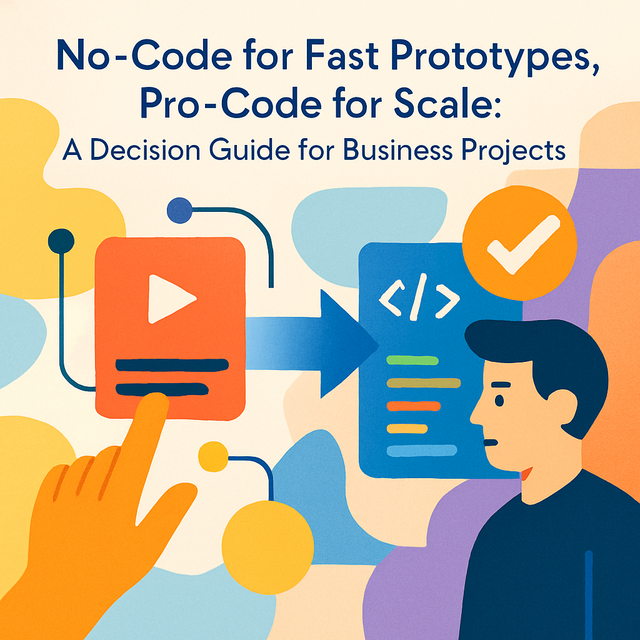
No-Code for Fast Prototypes, Pro-Code for Scale: A Decision Guide for Business Projects
No-code tools are great for fast prototypes, but custom code often becomes necessary as projects grow. Here's a guide to help you know when to use each-and why hybrid solutions might be best.
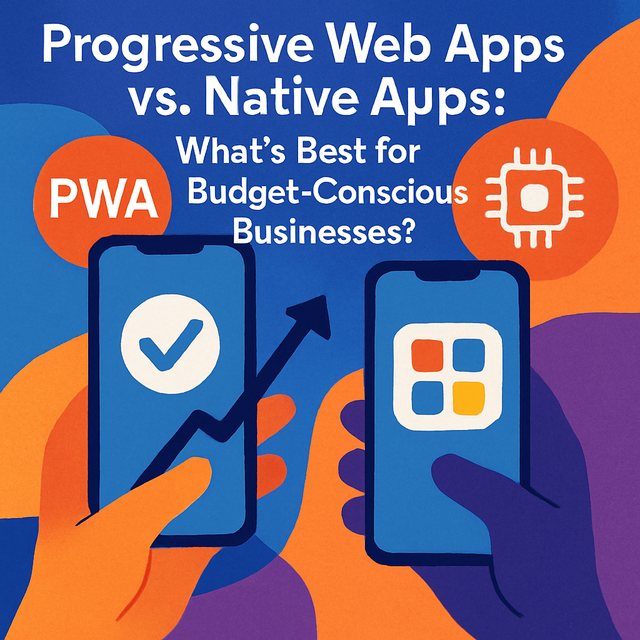
Progressive Web Apps vs. Native Apps: What’s Best for Budget-Conscious Businesses?
For businesses with limited budgets, choosing between progressive web apps and native apps can make or break a project. This article breaks down the pros, cons, and practical considerations to help you decide.
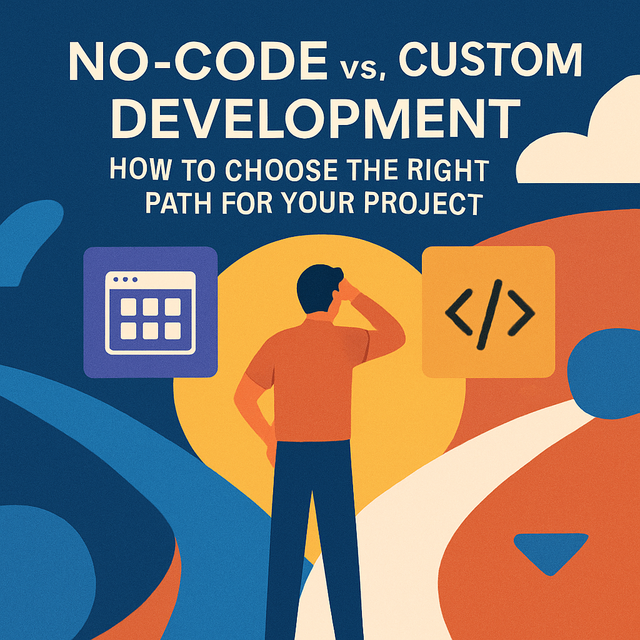
No-Code vs. Custom Development: How to Choose the Right Path for Your Project
A simple framework to help non-technical founders decide when to use no-code tools vs. hiring a dev team, with tips for scaling, flexibility, and speed.
Hybrid No-Code + Pro-Code Projects: How to Unlock Speed and Scalability
The hybrid no-code and pro-code approach helps businesses move fast while building apps that can scale. This post outlines strategies to combine tools effectively and avoid platform limitations.

Why Website Speed Is a Strategic Asset, Not a Nice-to-Have
Website speed impacts everything-SEO, conversions, and trust. Here's why it's more than a technical concern and how to improve it without major effort. A must-read for no-code and AI-powered teams.
From Brief to Bot: Launching an AI Chat Widget Without Writing Code
Learn how to build and launch an AI-powered chat assistant on your website without writing code. A practical step-by-step guide for no-code founders and teams navigating AI implementation.
Designing “Thinking” Experiences: How to Turn AI Load Times into Trust-Building Moments
Don't let AI wait times become user frustration. With smart UI strategies like progressive disclosures and micro-interactions, you can turn delays into trust-building moments. Here's how to do it right.
Injecting Intelligence into Legacy Systems: A Practical Guide for AI Projects That Can’t Start From Scratch
A practical guide for adding AI to legacy systems without starting from scratch. For business leaders and no-code users seeking realistic paths to automation and intelligence in existing platforms.

Shielding Your AI Integration from Hallucinations: A Practical Guide for Business Owners
Hallucinations in AI can derail your product and reputation. This guide helps no-code and AI Vibe creators vet, test, and control AI integrations-before launch day goes sideways.
No-Code or Custom Dev? How to Make the Right Call for Your Next App or Site
A practical framework to help non-technical founders and teams decide when to choose no-code tools and when to invest in custom development-based on budget, scalability, and unique requirements.
Editable Node Graphs, Generative Logic: Is this the Future of No-Code?
Editable logic graphs powered by AI promise rapid no-code prototyping, but they’re not a silver bullet. This article explains where these tools shine-and what to watch out for if you’re using them in your business.
How AI is Quietly Changing What ‘No-Code’ Really Means
AI and automation tools are evolving the no-code movement far beyond drag-and-drop. This article explores how AI is reshaping what's possible-and what skills or teams are needed to keep up.
How to Ask the Right Questions Before Hiring a Developer
A guide for non-technical founders on the key questions to ask before hiring a developer-focusing on alignment, communication, and risk-so projects launch smoothly and stay on budget.
Why Your AI Project Still Needs a Human UX Designer
AI can generate interfaces fast, but it still can't replace the nuance of human UX design. In this article, I break down why intuitive, user-centered thinking is critical-especially in AI and no-code builds.
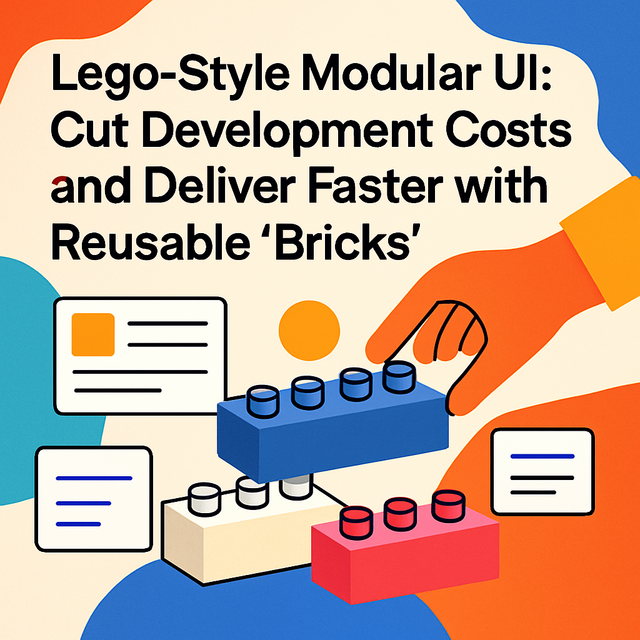
Lego-Style Modular UI: Cut Development Costs and Deliver Faster with Reusable ‘Bricks’
Learn how breaking your app UI into reusable modular components speeds up delivery, prevents scope creep, and makes future maintenance easier-especially in no-code and AI-aided builds.
No-Code or Custom Code? A Guide for Decision-Makers on Choosing the Right Approach
Wondering when to go no-code vs. custom code? This guide outlines how to make the right choice based on budget, timeline, scalability and product goals-plus tips on mixing the two approaches strategically.

How to Scope a Digital Project Without a Tech Background
A practical guide for non-technical founders or teams on how to properly scope a digital project-web, app, or AI-so it stays on budget, moves fast, and delivers value. Clear, human, and helpful.
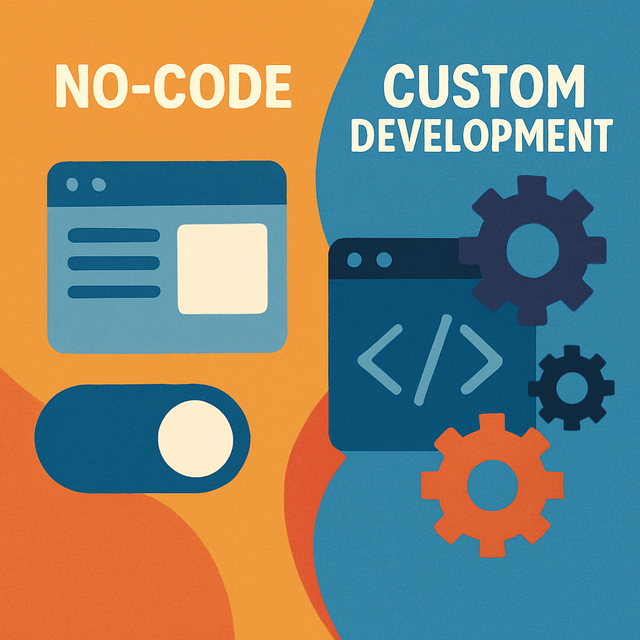
No-Code vs. Custom Development: What Every Non-Technical Founder Should Know Before Building Digital Products
A breakdown of when to choose no-code tools vs. custom development, tailored for non-technical founders. Features real-world pros, cons and traps to avoid as you plan your next digital product.
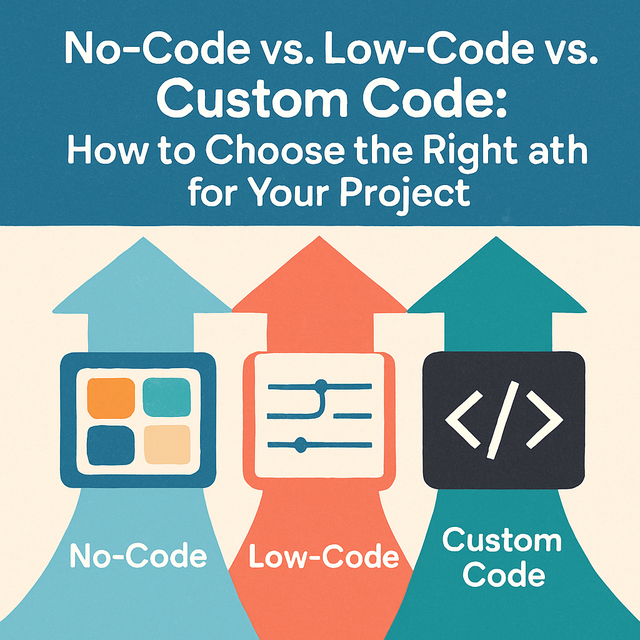
No-Code vs. Low-Code vs. Custom Code: How to Choose the Right Path for Your Project
Choosing between no-code, low-code, and custom development can make or break your project. Here’s a clear decision framework for non-technical founders and project leads to find the right path.
Bridging No-Code and Custom Code: A Playbook for Product Owners
No-code platforms are amazing for rapid prototyping, but scaling requires strategy. Learn how to bridge the gap between no-code and custom code to avoid costly rewrites and future-proof your product.

When No-Code Isn’t Enough: Signs It’s Time to Bring In a Developer
No-code is powerful, but not limitless. This post highlights signs your no-code project may need a custom dev boost-like performance issues, scaling problems, or UX limits. If you're hitting that wall, let's talk.
When to Choose No-Code, Low-Code, or Full-Code for Your Next Product
A practical guide for founders on when to choose no-code, low-code, or full-code solutions. Based on real project experience, it helps teams make smarter tech decisions before building their next app or feature.
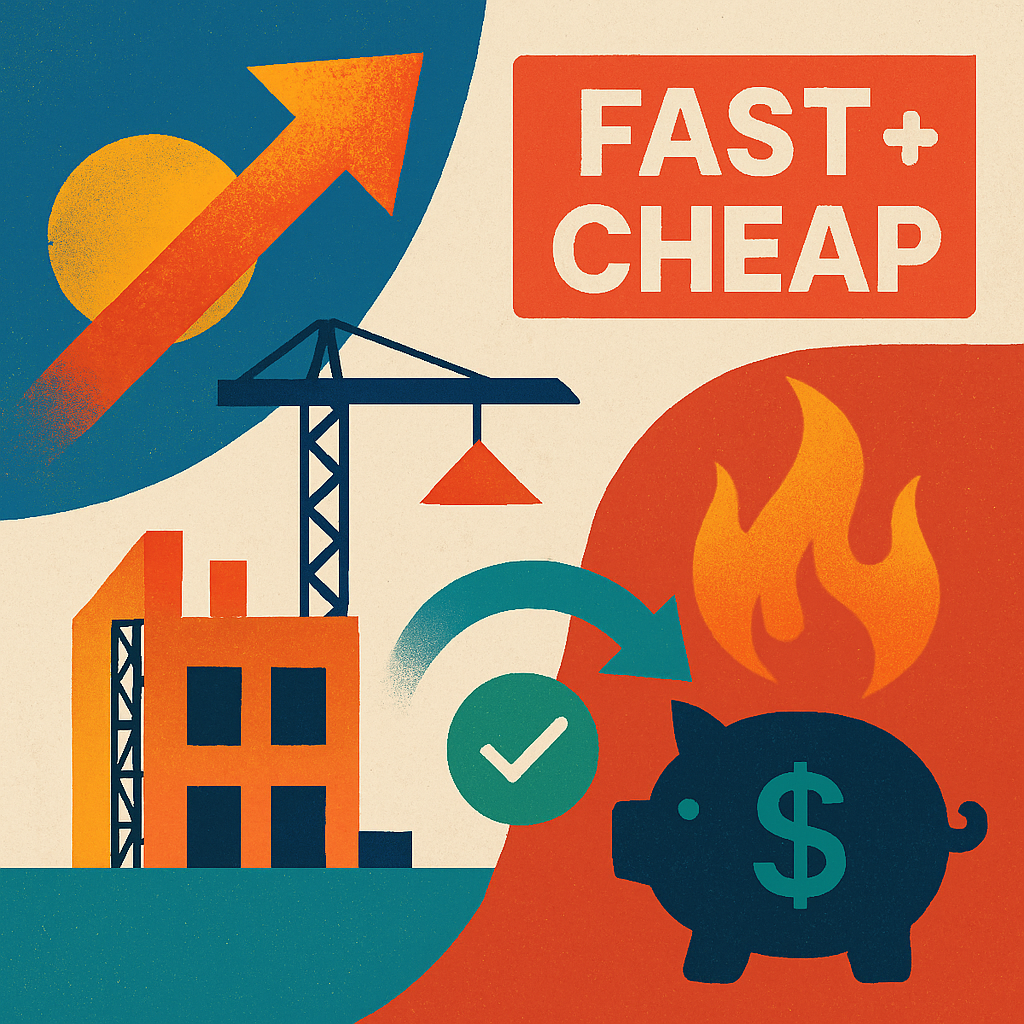
Why 'Fast and Cheap' Projects Backfire - And How to Build Smarter Without Breaking the Bank
Many no-code and AI projects struggle when rushed or under-scoped. Here’s how to avoid common pitfalls, plan efficiently, and collaborate with developers to launch better - without blowing the budget.
Why No-Code & AI Projects Get Stuck - And How to Unstick Them
Many no-code and AI projects stall before launch due to platform limits, poor UX, and lack of technical backup. This post explores common pitfalls and how Appstuck.com helps unstick and launch them.

Why No-Code Projects Get Stuck - And How to Unstick Them
No-code platforms are great for building fast, but many projects hit limits. This post explores why they get stuck, and how combining no-code with expert help can get your product to launch.
Why Site Speed Isn’t Just a Developer Obsession: A Non-Techie’s Guide to Faster Pages and Higher Conversions
Page speed is more than a tech issue-it affects user trust, conversions, and search visibility. Here’s a simple guide for non-tech users to improve performance using free tools and smart tweaks.
7 Questions Every Non-Technical Founder Must Ask Before Hiring a Web Developer
Hiring a developer without a technical background? Start with these 7 key questions to avoid common pitfalls around design, performance, scalability, AI-readiness, and no-code handoffs. Based on experience launching and rescuing projects at Appstuck.com.
How AI Tools Are Changing the Scope (and Expectations) of Web Development Projects
AI tools promise speed and ease in web and mobile dev, but they also shift new challenges onto founders. This post explores where AI helps-and where expert insight is still essential.

From Vibes to Viable: How Creative-Tech Collabs Can Break Through the Stuck Phase
Creative prototypes often stall without a bridge to development. This article explores how to go from 'vibe-driven' ideas to viable products with a structured, collaborative approach.
From Chip Giants to Startup Launches: What ‘AI on My Website’ Really Means (And What to Know Before You Ask)
What business leaders and non-technical teams should know before asking to add AI to their product. Real-world advice from an agency leader who helps stuck AI and no-code projects get launched.
From Brief to Build: Key Questions to Ask Before Starting Your Web or App Project
A helpful guide for founders and operators planning web, mobile, or no-code app builds. Learn the 6 key strategic questions that can save time, budget, and frustration before you write a single line of code.

Designing for Emotion: Create a Website Vibe That Converts
Emotional design isn’t fluff-it’s what helps websites and apps connect, build trust and convert. This post explores key tips for creating a strong, conversion-ready vibe, even with AI and no-code tools.
Context Engineering: The Hidden Skill That Makes AI Integrations Actually Work
Context engineering is the missing piece in most AI-driven apps. It's about structuring inputs and outputs for relevance and usability. Here's why it matters-and how it helps stuck AI projects launch.

Microinteractions Matter: How Small Design Details Can Transform Your App or Website Experience
This article explores how microinteractions-tiny design details like transitions, animations, and haptic feedback-can dramatically improve the user experience of your app or site. It explains their impact on engagement, trust, and brand vibe, all using modern AI and no-code tools.
How to Build a Smarter MVP Without Overengineering (or Getting Stuck in No-Code Tools)
A guide to launching smarter MVPs without overengineering or getting stuck in no-code limitations. Learn how to choose your tech, validate fast, and plan beyond launch.
The Hidden Costs of No-Code: When Drag-and-Drop Platforms Hit Their Limit
No-code platforms are great-until they aren't. This post highlights when drag-and-drop tools start breaking down and how smart development can rescue stuck AI or no-code projects. A must-read for scaling teams.

The Hidden Costs of Poor Scoping in Web & App Development Projects
Poor scoping is one of the top reasons web and app projects stall or fail. This post explores common pitfalls, how experienced teams scope effectively, and why fixing the scope usually fixes the build.
The Hidden Risk in AI Website Builders: What No One Tells You About Maintenance
AI website builders are fast-but not built for growth. Here's what you need to know about their hidden maintenance costs, and how to balance speed with scalability using hybrid development strategies.

The Non-Tech Guide to Securing AI Agents on Your Website
A plain-English checklist for safely adding AI agents to your site-what to ask, what to avoid, and how to stay in control without writing code. Perfect for no-code and vibe AI users.
Validating Mobile App Ideas with No-Code: A Step-by-Step Rapid-Prototype Playbook
Before spending big on app development, validate your idea with no-code. This rapid-prototype playbook shows founders how to build, test and refine concepts in days-saving time and money.

Web Design vs. Web Experience: The Costly Gap Non-Developers Often Miss
Many non-developers focus on web design but ignore web experience - causing issues with UX, conversions, and scalability. This article explores why that gap is costly and how to ensure your project performs.
What Non-Tech Teams Should Know About AI Agent Platforms
Before launching an AI agent project, non-tech teams need to understand key foundations like data readiness, workflow design, and training needs. This post breaks down what to know before hiring devs.
What's Really Driving Your AI API Bill? A Web Dev's Guide to Avoiding Budget Sinkholes
Many no-code and AI projects struggle with runaway API costs. This article explains where those costs really come from-and how to control them before surprises show up in your billing email.
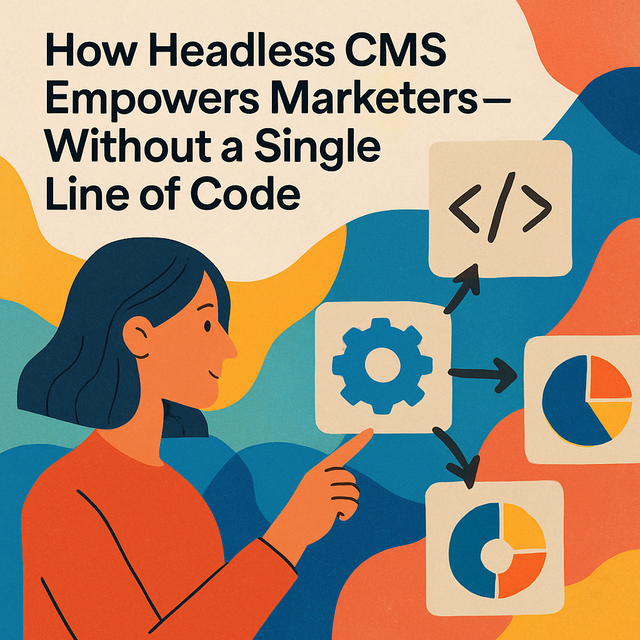
How Headless CMS Empowers Marketers-Without a Single Line of Code
Headless CMS platforms like Strapi are transforming how marketers manage digital content-without coding. Learn how this architecture empowers faster launches, omnichannel delivery and better ROI.
How to Build Transparent and Trustworthy AI Features Into Your App or Website
AI is powerful, but users trust it only when it’s transparent. Drawing lessons from stop-sign cameras, this article shares 5 simple ways to build clear, respectful AI features into your site or app.
Sustainable Digital Infrastructure: How to Choose Eco-Friendly Hosting Without Sacrificing Speed
Many organizations overlook how hosting choices impact sustainability goals. Here's how to identify truly eco-friendly providers without sacrificing speed or reliability-and what questions to ask your vendor.
Is AI Right for Your Next Project? A 5-Step Framework to Evaluate Real Business Impact
A practical, non-hyped 5-step framework to help decision-makers evaluate if AI is the right fit for their business project. Ideal for companies considering AI but unsure where to start or if it’s even needed.
Constraint-Driven Development: Why Less is Often More in Digital Projects
Constraint-driven development helps digital projects launch faster and with fewer surprises. By strategically limiting scope or timelines, teams deliver better-focused products with fewer budget overruns.
Why Direct TLS Matters: A Non-Technical Guide to Faster, More Secure Websites
Explains how Direct TLS enhances website performance and security in non-technical terms, highlighting its business benefits like faster load times, improved trust, better SEO, and cost savings. Ideal for decision makers exploring how to optimize their digital platforms.
No-Code vs. Professional Development: How to Choose What’s Right for Your Business
Not sure whether to use no-code platforms or hire a development team? This guide lays out a simple framework to help business leaders choose the right digital solution based on needs, scale, and goals.
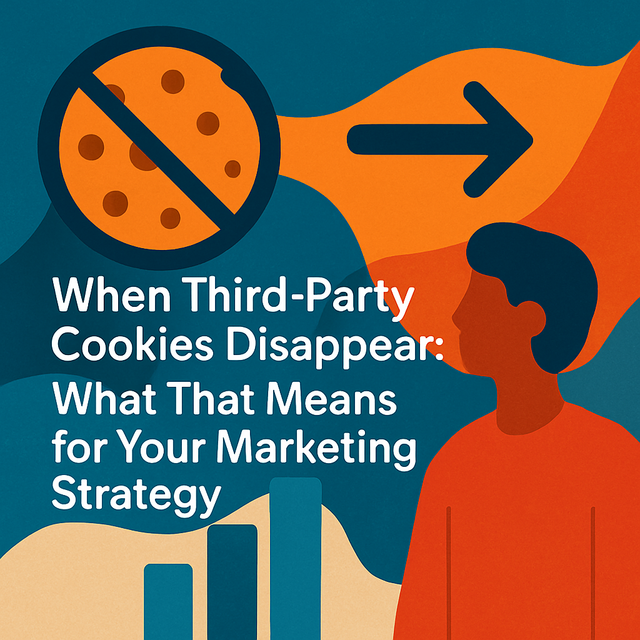
When Third-Party Cookies Disappear: What That Means for Your Marketing Strategy
Third-party cookies are vanishing, and with them, familiar marketing tactics. This article explains how businesses can adapt using first-party data, server-side tracking, and AI - in plain English.

Why Semantic Search Is About to Change Your Website-And Why It Matters to Your Customers
Semantic search uses AI to interpret meaning-not just words-in user queries. This article explains how smarter search boosts engagement, discovery, and insights for businesses without major technical overhauls.
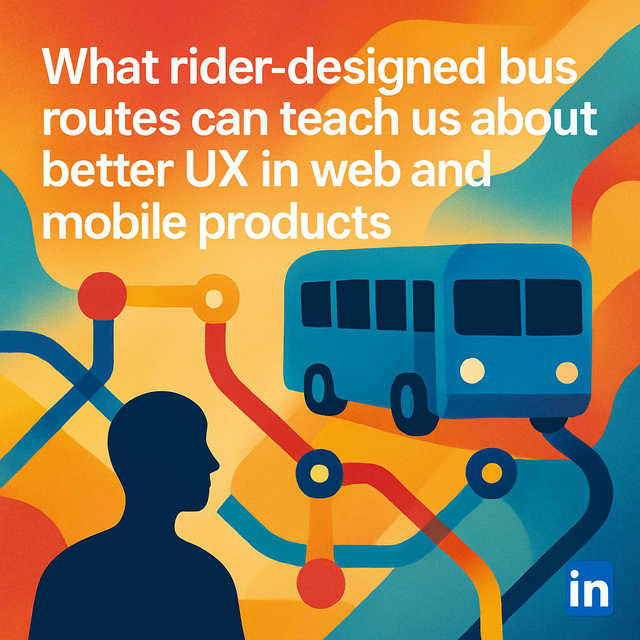
What rider-designed bus routes can teach us about better UX in web and mobile products
Shanghai's experiment with rider-designed bus routes offers a valuable lesson in UX: involve real users early. This article explores how co-designing digital products with users can reduce rework, prioritize the right features, and improve adoption.
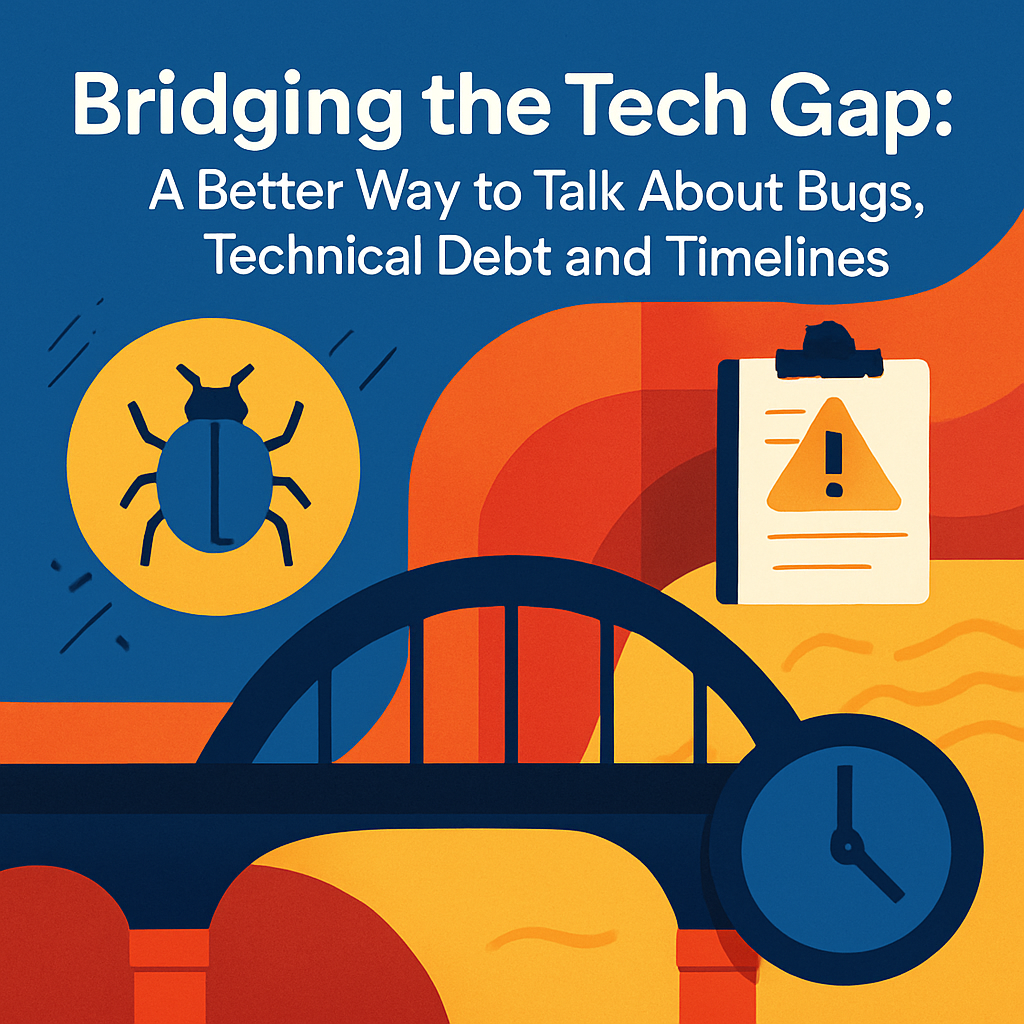
Bridging the Tech Gap: A Better Way to Talk About Bugs, Technical Debt and Timelines
Many teams struggle to align on software bugs, technical debt, and release timelines—not because of mistrust, but due to poor vocabulary. This article introduces a clear, business-friendly framework to clarify priorities and drive better decisions between technical and non-technical stakeholders.
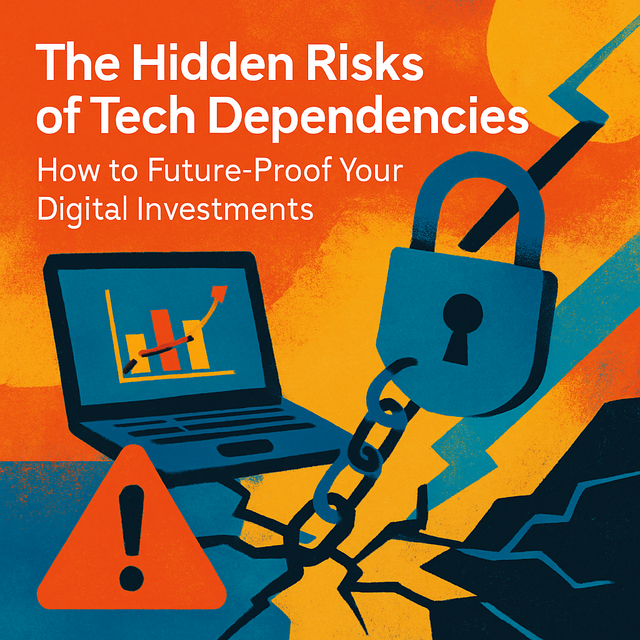
The Hidden Risks of Tech Dependencies: How to Future-Proof Your Digital Investments
External platform changes can quietly break your digital products. Learn how to avoid hidden risks in your tech dependencies and build resilient digital strategies without needing to be technical yourself.
Turning Documentation into Business Insights with AI-Powered Knowledge Graphs
Your internal documentation is more valuable than you think. With AI-powered knowledge graphs, it's possible to extract customer insights, align teams, and uncover product opportunities using the data you already have.

Handling URL changes in Joomla 3 to Joomla 4 or 5 upgrades
Learn how our custom Joomla 5 redirect plugin tackles the challenge of URL changes during Joomla upgrades. This innovative tool automatically manages redirects, preserving SEO and streamlining your website migration process.